
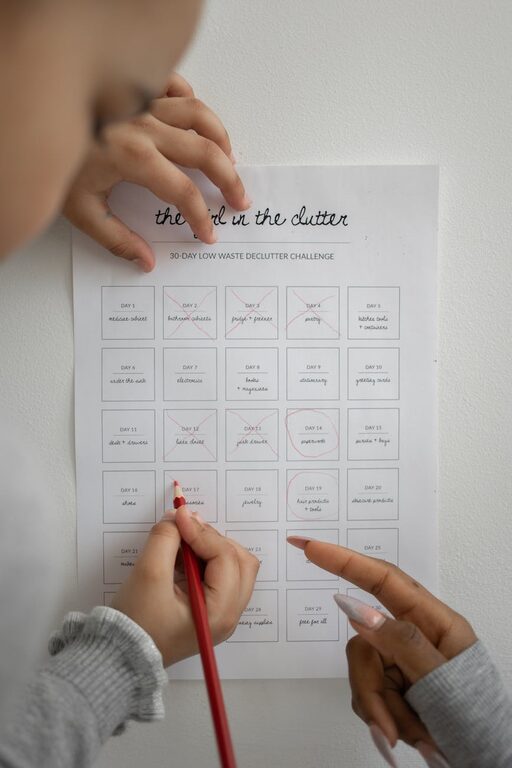
Keeping your home organized can sometimes feel like an uphill battle, especially when piles of paper start to take over your space. Bills, receipts, mail, school papers, and miscellaneous notes tend to accumulate quickly, creating clutter that can be overwhelming. Fortunately, reducing household paper clutter is achievable with simple, consistent habits and smart systems. In this post, we’ll explore practical ways to minimize paper piles, helping you maintain a neat and calm environment.
Why Reducing Paper Clutter Matters
Paper clutter can affect more than just the look of your home. It can cause unnecessary stress, make it harder to find important documents, and reduce your overall productivity. By managing paper effectively, you save time, reduce anxiety, and create a welcoming atmosphere.
1. Sort and Purge Regularly
The first step to controlling paper clutter is sorting what you already have.
– Set aside time weekly or monthly for going through your paper piles.
– Create three categories: Keep, Shred, Recycle.
– Be ruthless: If you haven’t needed a document in over a year and it’s not legally required, consider recycling or shredding it.
This regular purging keeps paper from piling up and reduces overwhelm.
2. Go Digital When Possible
Technology makes it easier than ever to reduce physical papers.
– Opt for e-statements and bills: Most banks, utility providers, and credit cards offer digital versions.
– Use scanning apps: Apps like Adobe Scan or CamScanner let you turn receipts, documents, and notes into PDFs stored on your phone or cloud.
– Organize digital files: Create clear folders on your computer or cloud storage to keep scanned documents easy to find.
This method cuts down incoming paper and creates a backup of important documents.
3. Set Up a Paper Management Station
Designate a one-stop spot to handle all incoming papers.
– Place a tray or folder at a convenient location near your entry or kitchen.
– Sort mail and papers immediately: Check for urgent bills or important documents.
– Schedule specific times (daily or several times a week) to review this station and take appropriate action.
Having a dedicated space helps prevent paper from spreading around the house.
4. Use Filing Systems Wisely
For papers you must keep, a simple filing system helps maintain order.
– Choose between physical binders or file folders: Keep it manageable by limiting categories to what you actually need, like taxes, insurance, medical, and warranties.
– Label folders clearly: Use bold labels and color coding for faster retrieval.
– Keep your system in a consistent place: Ensure the filing system is accessible to encourage regular use.
Avoid over-complicating your filing system to ensure it’s sustainable.
5. Reduce Paper From the Source
Prevent clutter by controlling what paper enters your home.
– Unsubscribe from junk mail: Register on services like DMAchoice or directly unsubscribe from catalogs.
– Go paperless with subscriptions: Opt for email newsletters and digital magazines.
– Ask to receive receipts digitally: Many stores offer emailed receipts instead of printed ones.
Being proactive reduces the volume of new paper you have to manage.
6. Repurpose and Reuse
Sometimes you can reduce waste by reusing paper around the house.
– Use scrap paper for notes or grocery lists.
– Cut old documents into bookmarks or craft projects.
– Use envelopes for storing coupons or cards.
This approach minimizes waste and gives papers a second life.
7. Shred Sensitive Information
When you clear out papers, safeguarding personal information is essential.
– Invest in a shredder: Keep it handy to destroy documents containing personal data before recycling.
– Schedule shredding sessions: If you accumulate shredded paper, keep a bag or bin ready for recycling pickup.
This step protects your privacy and reduces clutter safely.
8. Maintain Habits for Long-Term Success
The key to controlling paper clutter is consistency.
– Make paper management a regular habit: Whether it’s 10 minutes a day or once a week, stay consistent.
– Involve the household: Encourage family members to use the paper station and follow organization rules.
– Review your system periodically: Adjust your methods to fit changes in your lifestyle.
With ongoing effort, managing paper clutter becomes second nature.
—
Reducing paper clutter at home is less about perfection and more about developing practical routines. By sorting regularly, going digital, setting up a paper station, and controlling your paper intake, you create a calmer, more organized living space. Start with small changes today, and enjoy the benefits of a tidier home tomorrow!